🐺 FREE TRIAL - BOOK YOUR SESSION

COMBAT BUDO INTERNATIONAL
MODERN SL UNARMED COMBAT SYSTEM
What is Combat Budo
Combat Budo is a modern martial art that originates from Sri Lanka, it is not made for competition sport. It focuses on emergency self-defence and offence situations.
Combat Budo uses techniques and tactics designed only to suit that purpose.
Combat Budo in Malta
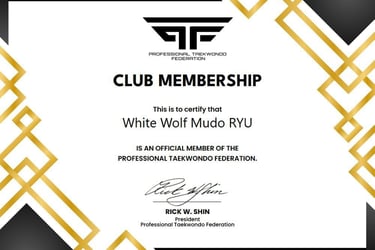
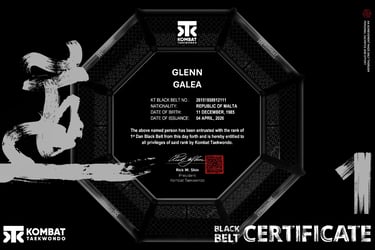
Combat Budo International came to Malta through Sensei Glenn Galea, founder of White Wolf Mudo Ryu. Combat Budo - the modern Sri Lankan unarmed combat system: not a sport art, but training for emergency self-defence and offence. Classes are run for adults, children, and women in a supportive environment that welcomes beginners and experienced martial artists.
White Wolf’s stated mission is practical self-defence and Combat Budo skill, physical fitness, mental resilience, respect, honour and personal responsibility — moving from traditional foundations toward Combat Budo mastery.
The school’s own values are framed as WHITE (Wisdom, Honour, Intuition, Tenacity, Endurance) and WOLF (Willpower, Order, Loyalty, Focus).
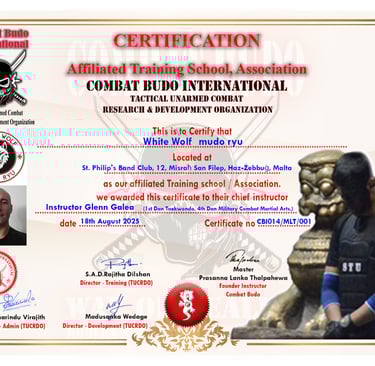
Sensei Glenn Galea was appointed head chief instructor of the first Combat Budo International affiliated school in Malta. Regular Combat Budo and self-defence training is now held there.
That affiliation is how Modern Rana Herala reached Europe: not as a museum piece, but as a living school training people in Malta for today's conditions.


From Prasanna Lanka Thalpahewa,
Founder Instructor, Combat Budo
I started working as a martial arts instructor 28 years ago. Beginning at the regional level, after a few years, I founded the "Thurunu Shakthi" National Martial Arts and Yoga Pool under the National Youth Services Council of Sri Lanka and served as its Chief Instructor.
It was within this context, through years of research and observation, that Combat Budo was created. The instructors who currently serve as directors of Combat Budo International also contributed to its development. Combat Budo draws inspiration from "Ranaherala"—an ancient Sri Lankan combat art—as well as the essence of modern world's most practical martial arts techniques.
Combat Budo is currently utilised to train the Sri Lanka Air Force, the Sri Lanka Army, and private security sectors as needed. Furthermore, through Combat Budo International, members worldwide are undergoing training both individually and through affiliated training institutes in countries such as Iran, India, Ivory Coast, the Philippines, and others. Beyond being just a sport, Combat Budo continues to expand globally as a practical combat art.


About Combat Budo - from the Master
History
From Rana Herala to Combat Budo
A Sri Lankan warrior tradition, reimagined for the modern world.
Sri Lanka’s fighting arts were long kept within warrior families. Under colonial rule they grew more secretive. After the fall of the Kandyan Kingdom, British authority reduced the public, military role of indigenous combat training. Practitioners preserved what they could in private, and some elements survived inside dance and other cultural forms.
Rana Herala (රණ හෙරළ) is described in modern martial tradition as an older indigenous combat system from southern Sri Lanka, especially the historic Ruhunu region. Unlike a sport art, it is said to have been made for warriors and infantry: close combat, survival, and the realities of the field. No reliable founding date has been established. Much of its early story lives in martial tradition rather than in independently verified records.
Combat Budo was developed as a modern system by Grand Master Prasanna Lanka Thalpahewa. It takes the warrior idea associated with Rana Herala and combines it with practical methods suited to today’s self-defence and close-range fighting.
---
Historical path
Ancient and medieval Sri Lanka
The island developed its own fighting traditions over many centuries. Modern accounts place Rana Herala inside that wider warrior culture and link it with the soldiers of the Ruhunu Kingdom and the south.
1815 — End of the last independent kingdom
Britain took control of the Kandyan Kingdom. Indigenous martial traditions lost much of their former royal and military standing.
1817–1818 — Uva–Wellassa Rebellion
Sri Lankan fighters resisted British rule. Traditional arts such as Angampora are strongly tied to this period. Sources disagree on the exact nature of the often-cited British “ban” on indigenous martial arts. That claim should not be treated as direct evidence about Rana Herala itself.
1948 — Independence
Sri Lanka regained independence on 4 February 1948. In the decades that followed, interest in recovering and teaching indigenous culture — including martial arts — grew again.
Around 2010 — Combat Budo
According to the system’s published history, Grand Master Prasanna Lanka Thalpahewa developed Combat Budo around 2010. It is a modern, practical art covering the main ranges of a fight: kicking, punching, trapping and grappling. The emphasis is realistic self-defence and close combat, including work relevant to security forces.
The name itself is a bridge. Rana means combat; Herala is presented as the martial way. “Combat Budo” uses English and Japanese so the same idea can travel internationally, without pretending to be a museum reconstruction of an ancient battlefield art.
2023 — Combat Budo International
Combat Budo International (TUCRDO — Tactical Unarmed Combat Research & Development Organization) was established in 2023 to research, refine and update unarmed combat and self-defence for present conditions.
2024–2025 — A structured modern system
Ranking programmes and training batches continued through 2024 and 2025. The organisation describes Combat Budo as නූතන රණ හෙරළ — Modern Rana Herala.
Europe — Malta
By 2025 Combat Budo had an officially recognised affiliated school in Malta: White Wolf Mudo Ryu Combat Budo Malta, under Sensei Glenn Galea, founder of White Wolf Mudo Ryu. Regular Combat Budo and self-defence training is now held there. That affiliation was an important step in taking a Sri Lankan system into Europe.
---
From the battlefield to the present
Combat Budo aims to carry a Sri Lankan warrior spirit into the present: keep the identity of Rana Herala, and build a usable system for the threats and conditions of today.
Designed by WiseOwl.Design

© 2026. All rights reserved to White Wolf Mudo Ryu, VAT NO 17890006
All logos, images, and trademarks displayed on this website are the property of their respective owners and are used for informational purposes only.